Compost Use in Agriculture: Safety, Challenges & Opportunities in CA
Location
Summary
Description
Are you looking for the field testing webinar? You might have landed on this page by accident. Register for What Breaks Down— and Why: Insights from 10 Years of Field Testing
.png)
Organic growers on California’s Central Coast face significant barriers to using compost, despite its benefits for soil health and nutrient management. Concerns about food safety, often driven by buyer requirements and perceived risks, have limited compost adoption in one of the most productive agricultural regions in the country.
This webinar brings together farmers and scientists to explore the science behind compost use in agriculture, unpack real and perceived food safety risks, and discuss practical strategies for navigating buyer and regulatory expectations. Speakers Joelle Mosso, Dr. Alda Pires, Dr. Hannah Waterhouse will share research findings and on-the-ground insights to support more informed decision-making around compost use in produce systems.
Speaker Topics
Joelle Mosso:
- Food safety risk management strategies related to compost use
- Buyer and regulatory compliance considerations
- How perceived and actual risks influence compost adoption on farms
Dr. Alda Pires:
-
Microbial composition of finished compost from composting facilities in California
-
Use of decision-support tools to support risk mitigation when applying compost and other soil amendments
Dr. Hannah Waterhouse:
- Variability in compost properties across facility types, feedstocks, and composting processes
- Key quality and nutrient parameters, including carbon and nitrogen content, C:N ratios, EC, pH, moisture, and water-holding capacity
Pricing: $19 for USCC members, $29 for non-members
This webinar will be recorded and made available to all registrants in a follow-up email.
This webinar is eligible for one Continuing Education Credit for Certified Compost Operations Managers™ and Certified Composting Professionals™. More information on attendance verification will be available in the follow-up email.
For questions regarding this webinar, contact Kelsea Jacobsen: education@compostfoundation.org
Meet Our Guest Speakers
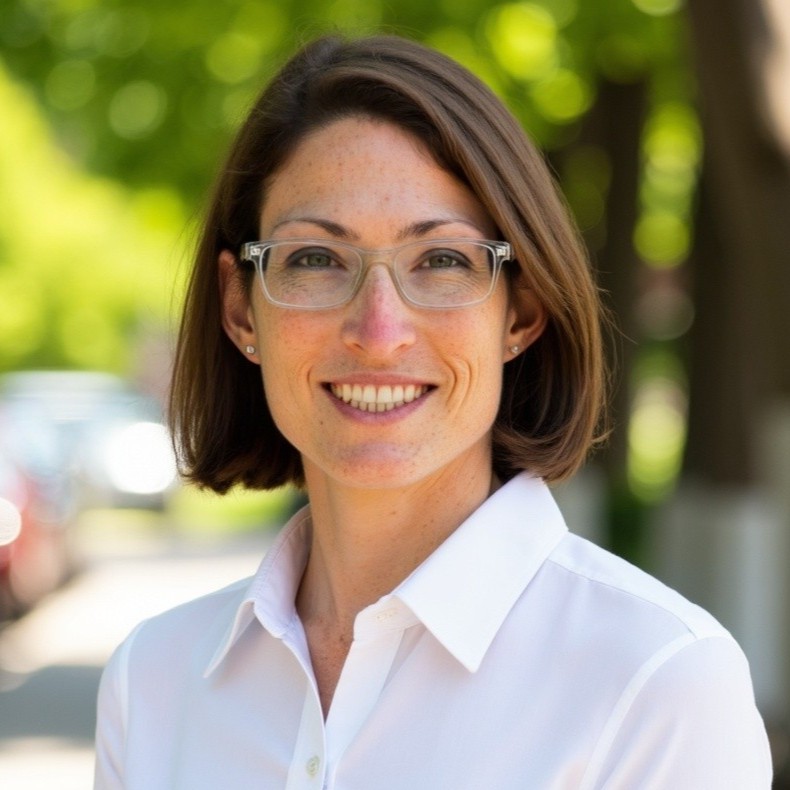
Joelle Mosso is an entrepreneurial scientist with a passion for pathogenic food microbiology, risk assessment, and working towards practical solutions for the food industry. Joelle currently is Western Growers Assoc. VP of Science Programs, working alongside growers to develop improved approaches to food safety and sustainability challenges. She has a background in Quantitative Microbial Risk Assessment, building microbial testing laboratories, evaluating and designing microbial diagnostic tools/approaches, and firsthand produce experience, managing food safety for complex international supply chains. Before Western Growers, she was Sr. Director of Technical & Regulatory Affairs for the Organic Trade Association, was the chief scientific officer for the Eurofins Produce, and held food safety and business leadership roles at Earthbound Farm and Olam Spice & Vegetable Ingredients. She holds a B.S. from the University of Maryland in Microbiology with honors in Molecular Biology and a M.S. in Food Science focused on pathogenic food microbiology from UC Davis. Joelle has served on numerous industry technical groups including the Center for Produce Safety Technical Committee, the International Fresh Produce Association Food Safety Council, USDA National Advisory Committee on Microbiological Criteria for Foods, and the USDA National Organic Standards Board.
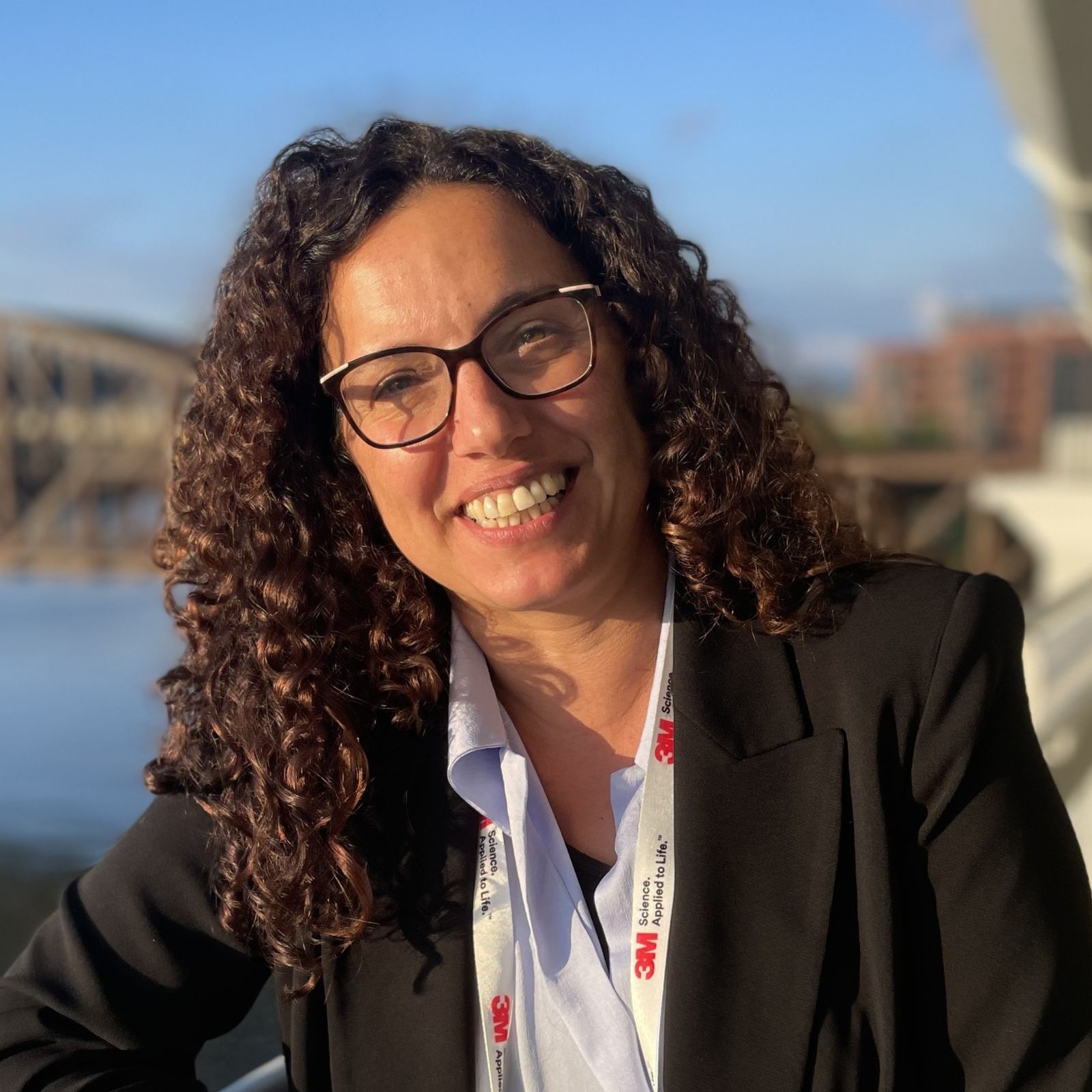
Dr. Alda Pires, DVM, MPVM, DACVPM, is a Professor of Cooperative Extension for Urban Agriculture and Food Safety in the Department of Population Health and Reproduction at the UC Davis School of Veterinary Medicine, California, USA. She obtained her DVM from UTAD in Portugal, completed a residency in Food Animal Reproduction and Herd Health, and earned a Masters of Preventive Veterinary Medicine at UC Davis. Dr. Pires received her PhD from Michigan State University with an emphasis in veterinary epidemiology and is a diplomate of the American College of Veterinary Preventive Medicine. She serves as Vice-Chair of the Department of Population Health, Co-Chair of the Urban Agriculture and Community Gardens Program Team at UC ANR, and Scientific Counselor of The Organic Center. Dr. Pires’ research focuses on the development and application of epidemiological tools to monitor food safety hazards and identify mitigation strategies to reduce the dissemination of foodborne pathogens in pre-harvest environments and the spread of infectious diseases in agricultural systems. Her work includes integrated crop-livestock systems, diversified and organic farms, and small-scale and backyard operations. She works closely with extension professionals, educators, producers, stakeholders, and policy makers on produce safety issues at state and national levels. The overarching objective of her appointment is to advance agricultural sustainability, food safety, and animal health in organic, diversified farming systems.
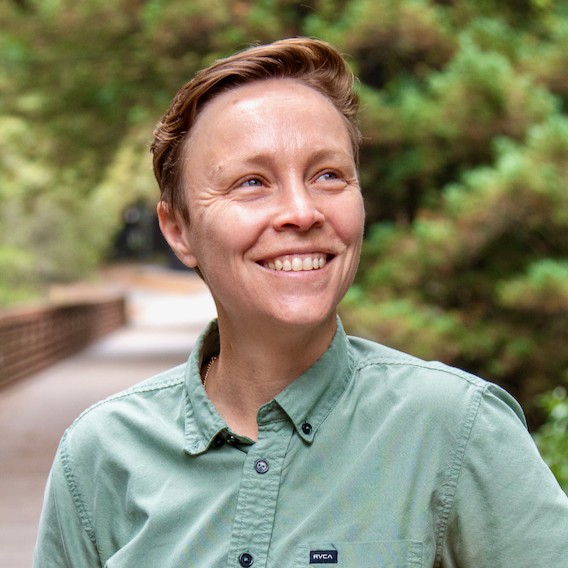
Dr. Hannah Waterhouse is a soil biogeochemist interested in creating sustainable and resilient agroecosystems for healthy communities and watersheds. Her research is grounded in a coupled natural-human systems framework to develop socio-ecological relevant solutions for reducing nutrient loading from agricultural systems to the environment. To do so, she engages in participatory and on farm research focusing on how soil health management practices can leverage soil biogeochemical processes to beneficially influence nitrogen, carbon, and water cycling, and predicting outcomes of such practices at field to watershed scales. She leverages collaborations with rural sociologists, economists, and hydrologists to understand barriers and provide frameworks for holistically realizing sustainable and just agroecosystems. Hannah received her B.A. in Mathematics from Bryn Mawr College, as well as her Masters and PhD from UC Davis.